
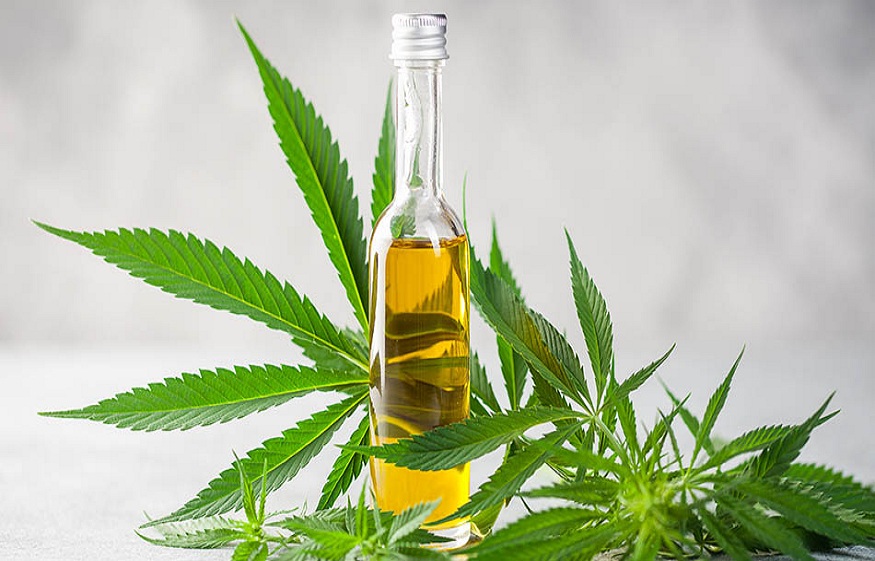
Cannabinoids Explained: Essential CBD Oil Basics Information
Cannabinoids have become an important topic in discussions around natural wellness, largely due to the growing popularity of CBD oil. As hemp-derived products continue to enter mainstream markets, many people are seeking reliable information to understand what cannabinoids are, how CBD oil is made, and how these compounds interact with the body. This article explains cannabinoids in simple terms and provides essential CBD oil basics for informed decision-making.
What Are Cannabinoids?
Cannabinoids are naturally occurring chemical compounds that interact with the body’s endocannabinoid system (ECS). The ECS is a regulatory network responsible for maintaining balance in many physiological processes, including mood, sleep, appetite, immune response, and stress regulation.
There are three main categories of cannabinoids. Endocannabinoids are produced naturally by the human body and help regulate internal functions. Phytocannabinoids come from plants, primarily the cannabis plant. Synthetic cannabinoids are laboratory-made compounds designed to mimic natural Cannabinoids Explained. Among these, phytocannabinoids—especially cannabidiol (CBD)—are the most widely used in wellness products.
Key Cannabinoids Found in Cannabis
The cannabis plant contains more than one hundred known cannabinoids, each with unique characteristics. The most commonly discussed include CBD and THC.
CBD (Cannabidiol) is non-psychoactive and does not cause intoxication. It is widely used in wellness products due to its calming and balancing properties.
THC (Tetrahydrocannabinol) is the compound responsible for the psychoactive effects of cannabis.
Other cannabinoids such as CBG (Cannabigerol) and CBN (Cannabinol) are gaining attention for their unique roles, though they are typically found in smaller amounts.
These cannabinoids often work together alongside terpenes and flavonoids in the plant, creating what is known as the entourage effect, where multiple compounds support each other’s activity.
Understanding CBD Oil Basics
CBD oil is made by extracting cannabidiol from hemp plants and combining it with a carrier oil such as MCT oil or hemp seed oil. Hemp is a variety of cannabis that contains very low levels of THC and is legally cultivated in many regions around the world.
CBD oil does not produce a high and is commonly used by individuals looking for a plant-based wellness option. It is available in several forms, including tinctures, capsules, topical creams, and infused products.
How CBD Oil Works in the Body
CBD oil works primarily by supporting the endocannabinoid system rather than directly stimulating cannabinoid receptors. It influences how receptors respond and helps regulate naturally occurring endocannabinoids in the body.
Through this indirect interaction, CBD oil is often associated with balance and adaptability within the body. Individual experiences may vary depending on factors such as dosage, body chemistry, and product quality.
Types of CBD Oil
CBD oil products are generally categorized into three types:
Full-spectrum CBD oil contains CBD along with other naturally occurring cannabinoids, terpenes, and trace amounts of THC within legal limits.
Broad-spectrum CBD oil includes multiple cannabinoids but removes THC completely.
CBD isolate contains pure cannabidiol without additional plant compounds.
Choosing the right type depends on personal preference, sensitivity to THC, and local regulations.
Common Uses of CBD Oil
CBD oil is commonly incorporated into wellness routines rather than used as a medical treatment. Many people use it as part of daily stress management, relaxation practices, or post-activity recovery. Its versatility allows it to fit into various lifestyles and wellness goals.
It is important to understand that CBD oil is not intended to diagnose, treat, or cure medical conditions, and results may differ from person to person.
Quality, Safety, and Transparency
When selecting CBD oil, quality and transparency are critical. Reputable manufacturers provide third-party lab testing to confirm cannabinoid content and ensure products are free from harmful contaminants such as pesticides, heavy metals, and solvents.
Consumers should carefully read product labels, verify hemp sourcing, and confirm compliance with local laws. Consulting a healthcare professional is recommended, especially for individuals taking medications or managing ongoing health concerns.
Legal Considerations
The legality of CBD oil varies depending on country and region. In many areas, hemp-derived CBD products are legal if they contain THC below a specific threshold. Understanding local regulations is essential before purchasing or using CBD oil.
Conclusion
Cannabinoids are natural compounds that play an important role in supporting the body’s internal balance through interaction with the endocannabinoid system. CBD oil, derived primarily from hemp, offers a non-psychoactive way to explore the potential benefits of plant-based cannabinoids. By understanding cannabinoids and essential CBD oil basics, consumers can make informed, responsible choices in the expanding wellness marketplace.
