
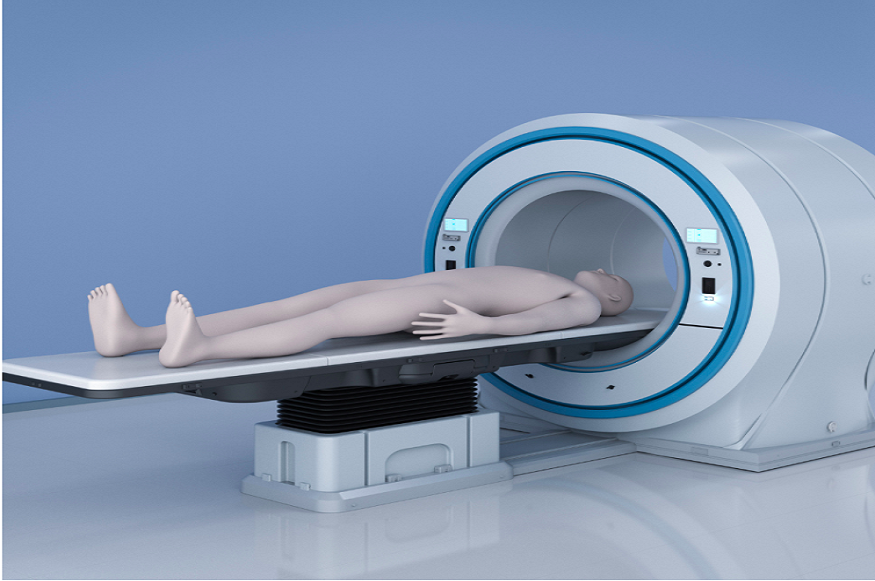
Kasey McKillip Briefly Discusses How MRI Professionals Prepare Patients for a Scan
Magnetic Resonance Imaging (MRI) is among the most advanced diagnostic technologies in modern healthcare. It produces detailed cross-sectional images of soft tissues, organs, joints, and neurological structures without exposing patients to ionizing radiation. However, obtaining accurate MRI results depends on much more than the scanner itself. As Kasey McKillip mentions, careful patient preparation before the examination is essential for maintaining safety, reducing anxiety, and producing clear, reliable images.
Kasey McKillip provides insight into how MRI professionals prepare patients for a scan
Patient preparation is a structured process that combines strict safety procedures, clinical assessment, communication, and precise positioning. MRI technologists, radiologists, nurses, and other healthcare professionals work together to ensure that every patient enters the scanning environment safely and understands what to expect.
The MRI scanner contains a powerful superconducting magnet. Unlike many medical devices, this magnetic field remains active even when images are not being acquired. Ferromagnetic objects can become dangerous projectiles, while certain implants or devices may malfunction or heat up in the magnetic environment. For this reason, MRI professionals begin with a detailed safety screening. The patient’s medical history is reviewed for pacemakers, neurostimulators, surgical clips, artificial heart valves, joint replacements, metallic fragments, and other implants. Where appropriate, the compatibility of these devices with MRI must be confirmed.
Read More: Step-by-Step Guide to Hospital to Home Transition Under NDIS
Patients are also required to remove potentially hazardous objects before entering the scanner room. Jewelry, watches, hairpins, hearing aids, body piercings, magnetic eyelashes, removable dental appliances, and other metallic items must be removed. In many facilities, patients change into MRI-safe gowns or scrubs because ordinary clothing may contain metallic zippers, buttons, underwires, or conductive threads.
After safety clearance, preparation is adjusted according to the specific examination. Some MRI studies require a gadolinium-based contrast agent to improve the visibility of blood vessels, tumors, inflammation, or other abnormalities. When contrast is planned, healthcare professionals may review recent kidney-function results, including creatinine or estimated glomerular filtration rate (eGFR), when clinically appropriate. An intravenous catheter may then be inserted, usually in an arm vein, so contrast can be administered during the examination. For certain abdominal or pelvic examinations, patients may also be instructed to fast for several hours. Following these instructions can help reduce gastrointestinal movement and improve image quality.
Read More: What are the most important self-care tips for new moms so that they can nurture themselves?
MRI examinations can be stressful, particularly for individuals who experience claustrophobia. The confined scanner bore, unfamiliar surroundings, loud noises, and need to remain still can make some patients anxious or uncomfortable. Technologists therefore explain the procedure before scanning begins. Patients are informed about the expected sounds, approximate duration, importance of remaining still, and communication methods available during the examination. The scanner’s loud knocking and tapping sounds are produced by rapidly switching gradient coils and are a normal part of the imaging process. Hearing protection, like earplugs or MRI-compatible headphones, is provided to protect hearing and improve comfort. Patients are also shown how to communicate with staff through the intercom and how to use the emergency squeeze bulb if they need assistance.
As Kasey McKillip mentions, MRI preparation may require additional adjustments for children. Pediatric patients may benefit from child-friendly explanations, mock scanners, audiovisual distractions, or virtual-reality tools. In selected cases, sedation or anesthesia may be arranged under appropriate medical supervision.
